Complete Guide to Planning Your Bhutan Trip
Everything you need to know about visiting the Land of the Thunder Dragon
Everything you need before you go
Visa Requirements
All visitors except Indian nationals require a visa. Visas are arranged through a licensed tour operator as part of your travel planning.
Sustainable Development Contribution (SDF)
All international visitors contribute to Bhutan's sustainable tourism model, which supports the environment and cultural preservation.
Best Time to Visit
Bhutan offers unique experiences year-round. Spring (March-May) and autumn (September-November) feature pleasant weather and clear mountain views.
Getting There
Paro International Airport is Bhutan's only international airport. Flights are available from Bangkok, Delhi, Kathmandu, and other major Asian cities.
What's Included
All Bhutan tour packages are comprehensive, covering accommodation, meals, transport, licensed guide, and entry access.
Altitude & Climate
Bhutan's altitude ranges from 200m to 7,500m. Thimphu (2,400m) and Paro (2,250m) have mild climates. Pack layers for varying temperatures.
Visa & Permits
100% Visa Issuance Guaranteed
We handle your Bhutan visa from start to finish — approval is guaranteed for every traveler booking with us.
What You'll Need to Apply
- A copy of your passport, valid for at least 6 months beyond your departure from Bhutan (Indian nationals may use a passport or voter ID card)
- Valid travel insurance covering the entire duration of your trip
- A recent passport-size photograph
How Visa Processing Works
- Step 1
Confirm & Pay
Complete full payment for your Bhutan journey with us, and we transfer your Sustainable Development Fee (SDF) to the government on your behalf.
- Step 2
We Apply for Your e-Visa
With your SDF payment receipt in hand, we submit your e-visa application — processing typically takes around 5 working days.
- Step 3
Receive Your e-Visa
Once approved — guaranteed for every traveler with us — we email your e-visa directly to you.
- Step 4
Arrive in Bhutan
Bring a printed copy of your e-visa when entering Bhutan. Your passport is stamped at the port of entry.
Bhutan offers something unique every season
Bhutan offers unique experiences year-round. Spring (March-May) and autumn (September-November) feature pleasant weather and clear mountain views.
Spring
Bhutan's high season. Rhododendrons and magnolias bloom across the valleys, skies are mostly clear, and it's peak season for festivals — including the famous Paro Tshechu.
Summer
The quietest, most affordable months. Monsoon rains bring vivid greenery to the valleys — ideal for travelers who don't mind occasional showers.
Autumn
The clearest skies of the year, especially in October, with dramatic Himalayan views. High season alongside spring, and home to many of the year's biggest tshechus.
Winter
Cold but crisp and clear, with the lowest crowds and rates. High-altitude trekking isn't possible, but valley touring and cultural sightseeing remain excellent.
Currency & Money
Bhutan's currency is the Ngultrum (Nu), pegged 1:1 to the Indian Rupee — both currencies are accepted everywhere in the country.
Exchange Rate:
1 USD ≈ Nu 82 (check current rates at xe.com)
Indian Rupee Notes
INR 50 and 100 notes are accepted. INR 1,000 and 2,000 notes are not accepted in Bhutan.
Where to Exchange
Foreign exchange desks at Paro Airport, bank branches, and select hotels in Paro and Thimphu.
Cards & ATMs
Visa and Mastercard credit/debit cards are accepted at local ATMs.
Currencies Accepted
US Dollar, Pound Sterling, Euro, Japanese Yen, Swiss Franc, Hong Kong Dollar, Canadian Dollar, Danish Krone, and more.
Good to know:
Cards are accepted at hotels and larger shops in Thimphu and Paro, but carry cash for rural areas, markets, and temple donations. Indian ₹500 and ₹2,000 notes are not accepted.
DOs and DON'Ts in Bhutan
DO's
- Dress modestly when visiting religious sites (cover shoulders and legs)
- Remove shoes and hats before entering temples and monasteries
- Walk clockwise around religious monuments (chortens and<bos>)
- Ask permission before taking photos of people or inside temples
- Try the local cuisine including ema datshi (chili and cheese)
- Respect prayer flags, wheels, and religious symbols
DON'Ts
- Don't smoke in public (Bhutan has strict tobacco laws)
- Don't point your feet at religious objects or people
- Don't touch or climb on sacred objects like chortens
- Don't wear revealing clothing in religious or public places
- Don't litter or damage the environment (Bhutan is carbon-negative)
- Don't buy or sell tobacco products
Must-Visit Attractions in Bhutan
From sacred monasteries to pristine valleys, explore the most iconic destinations
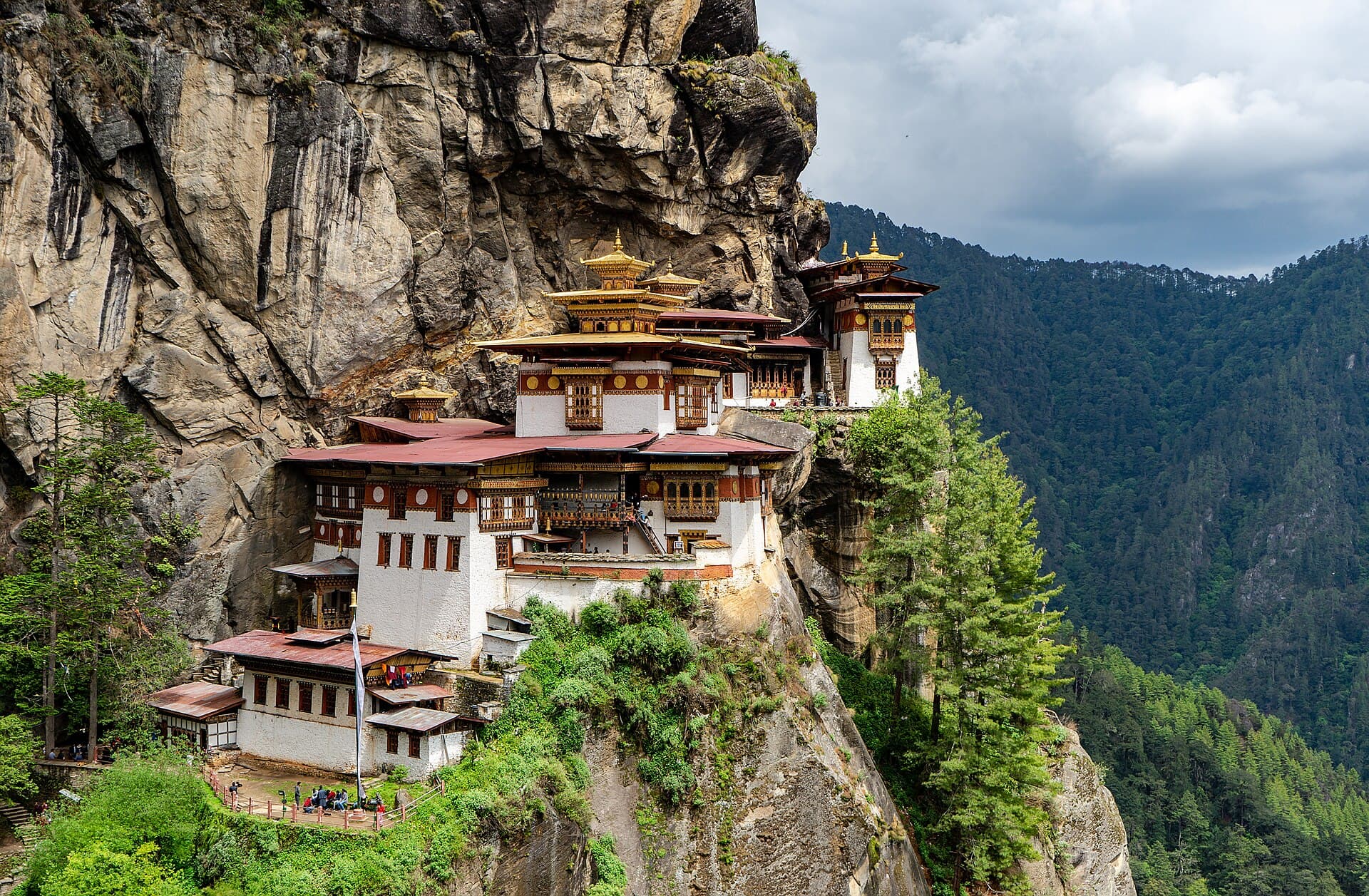 Paro
ParoTiger's Nest Monastery
Iconic cliffside monastery and Bhutan's most famous landmark
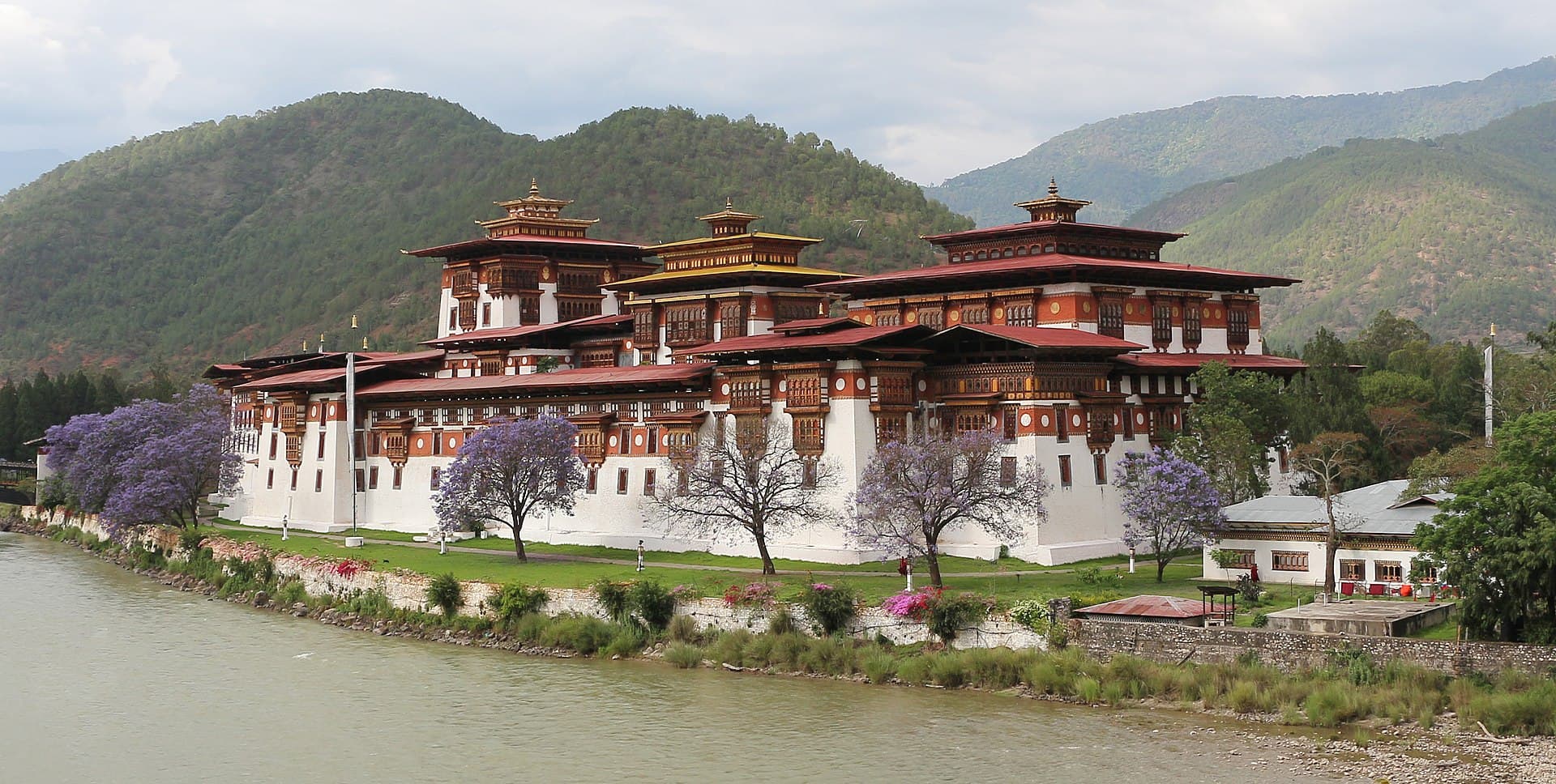 Punakha
Punakha Dzong
Majestic fortress at the confluence of two rivers
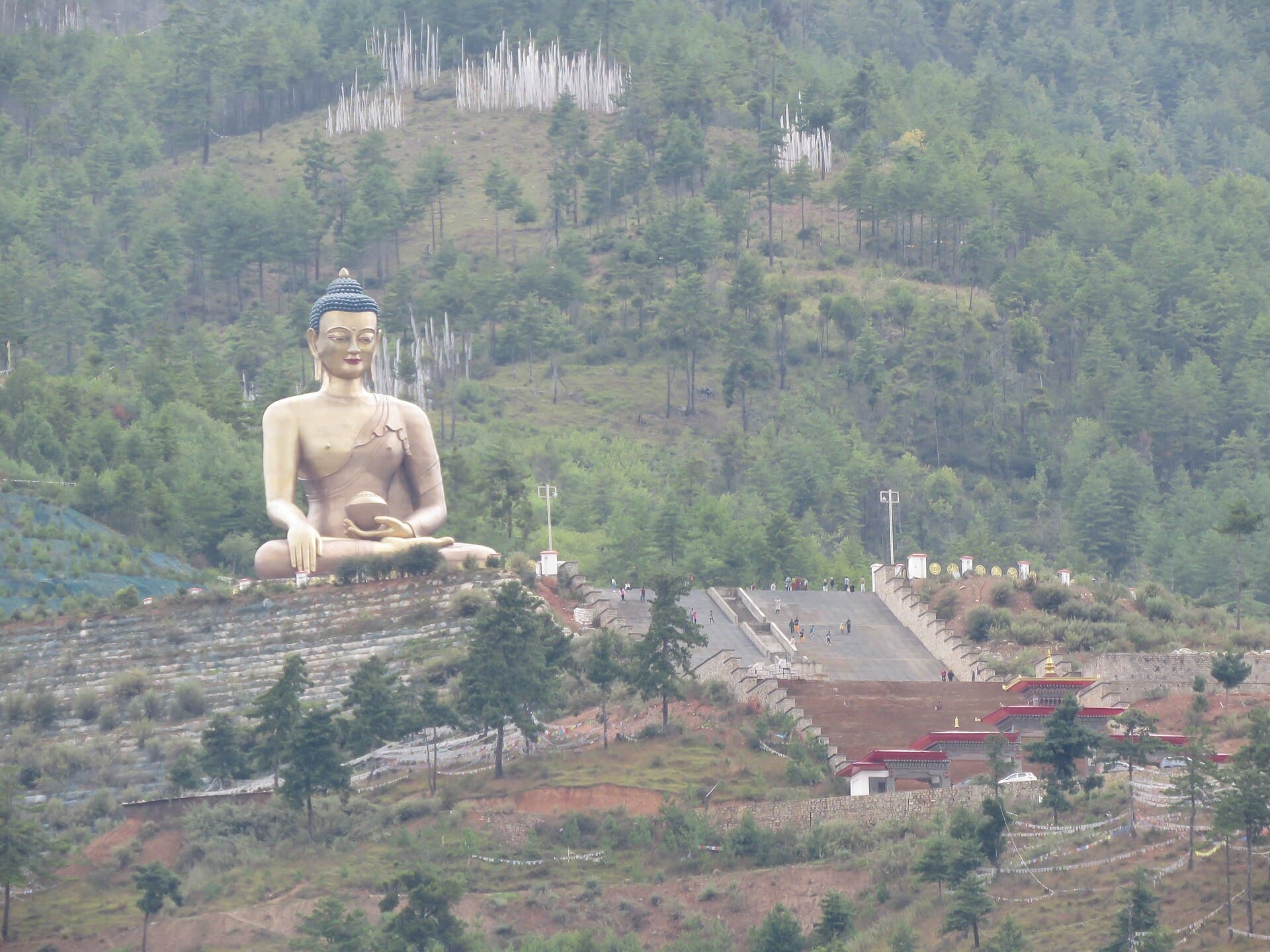 Thimphu
Buddha Dordenma
Giant golden Buddha statue overlooking Thimphu valley
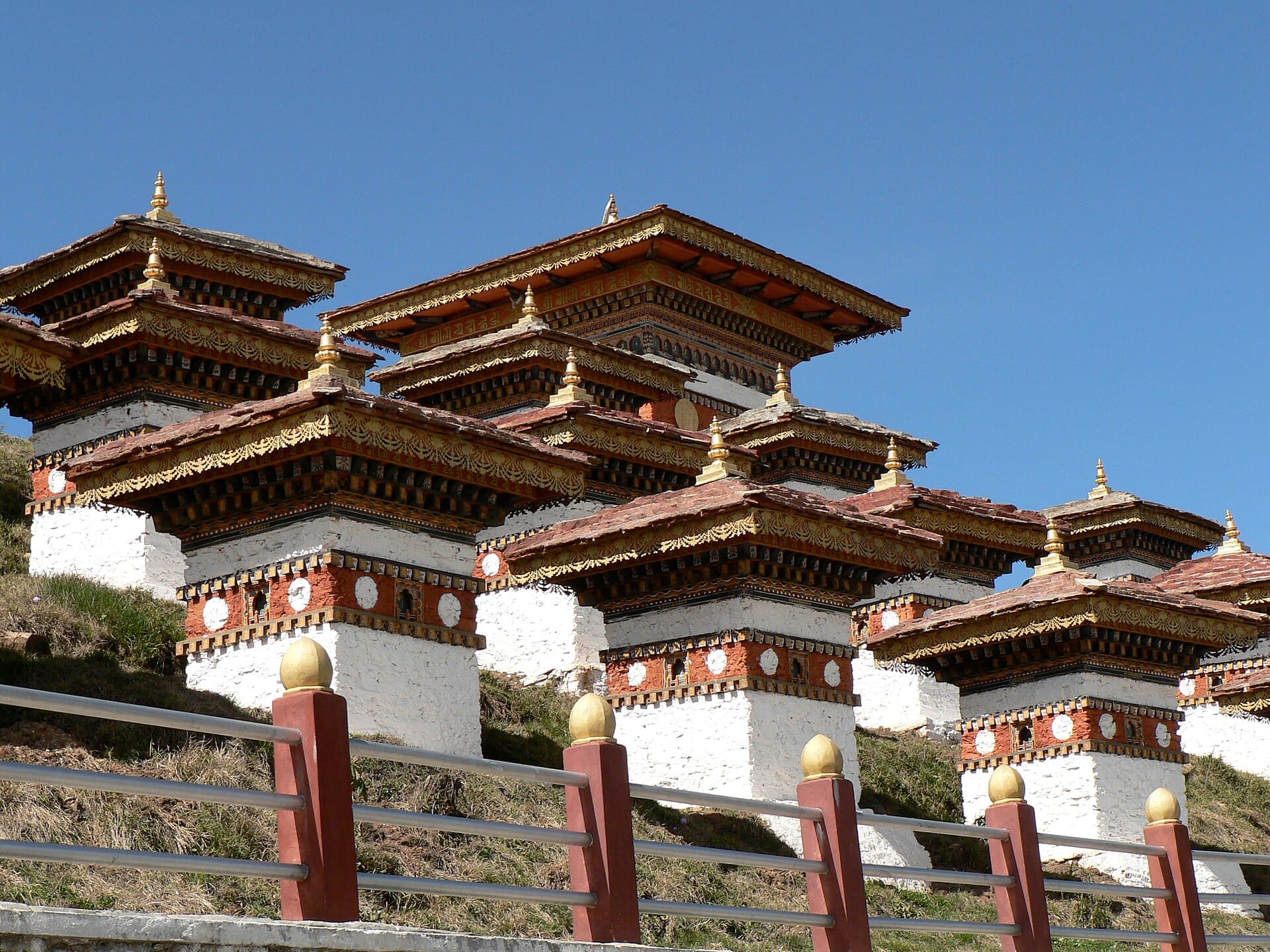
Thimphu-PunakhaDochula Pass
Mountain pass with 108 chortens and panoramic Himalayan views
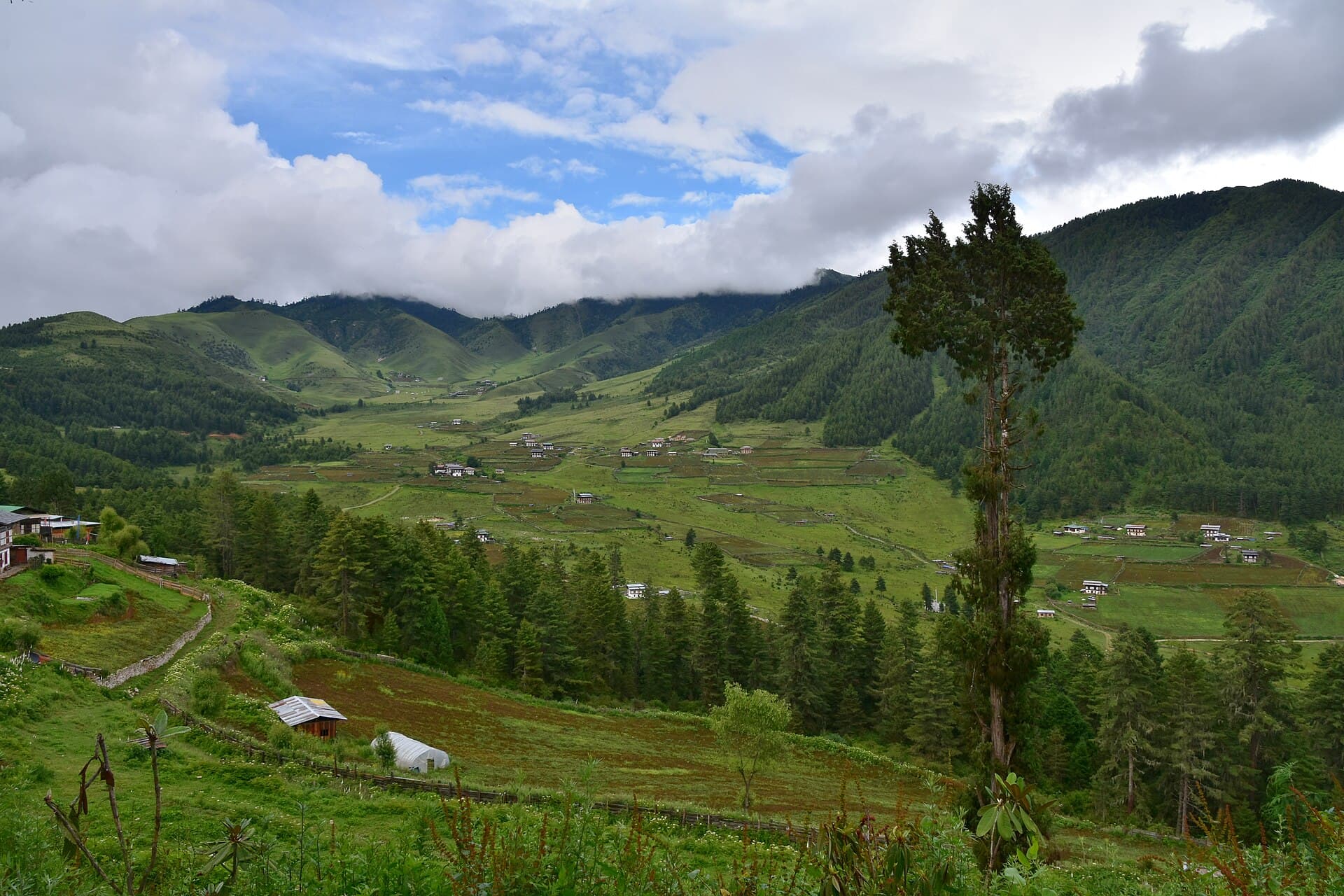 Wangdue
Phobjikha Valley
Glacial valley and winter home to black-necked cranes
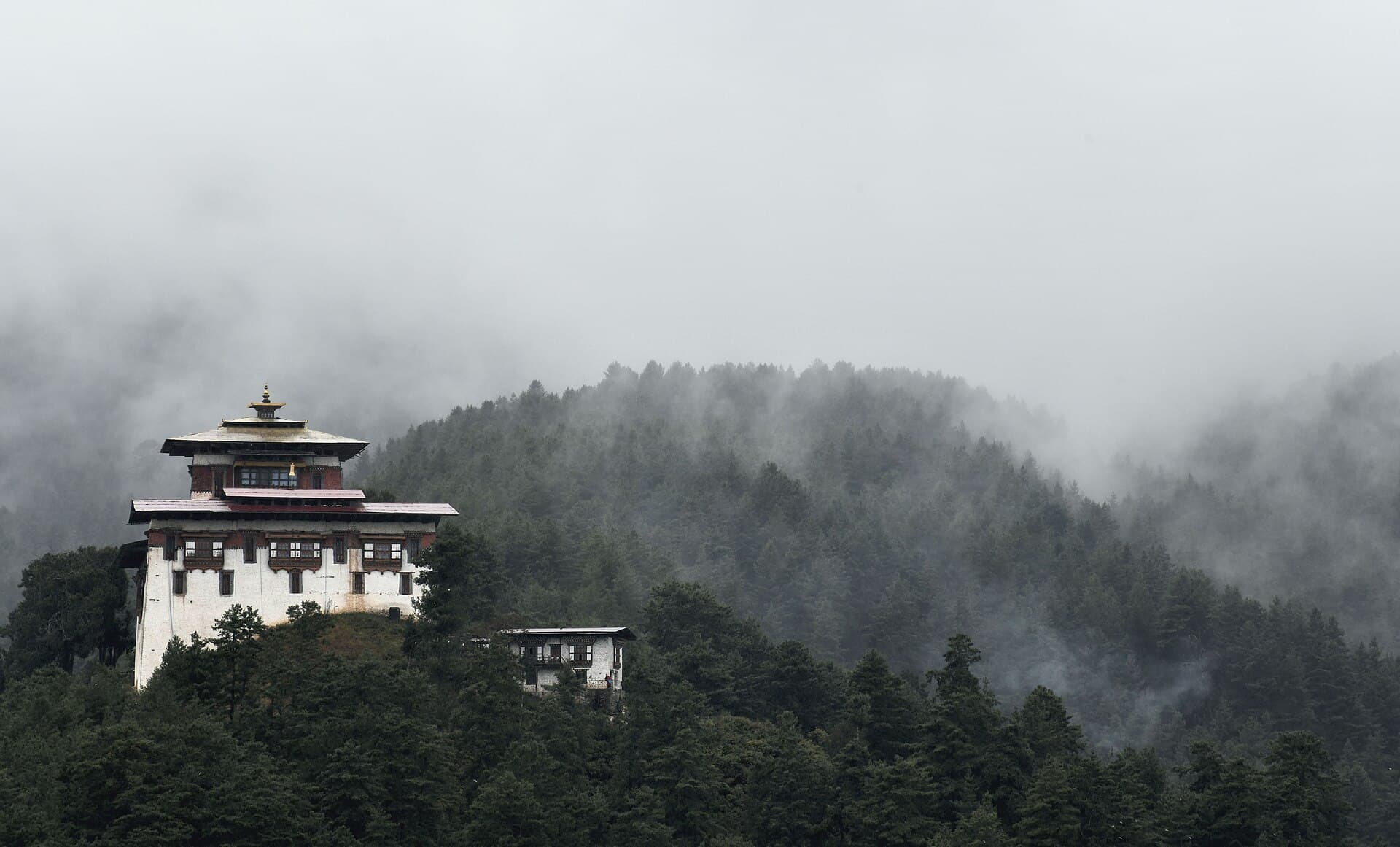 Central Bhutan
Bumthang Valley
Spiritual heartland with ancient temples and monasteries
Still have questions about visiting Bhutan?
Our Bhutan-based specialists handle every detail — visas, permits, and logistics — so you can simply arrive and explore.